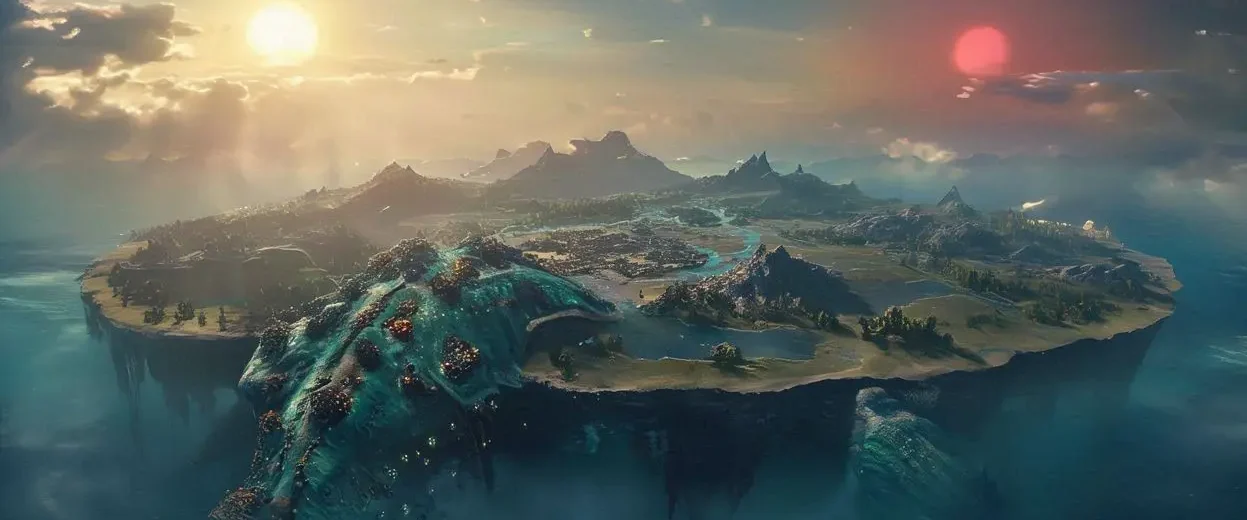
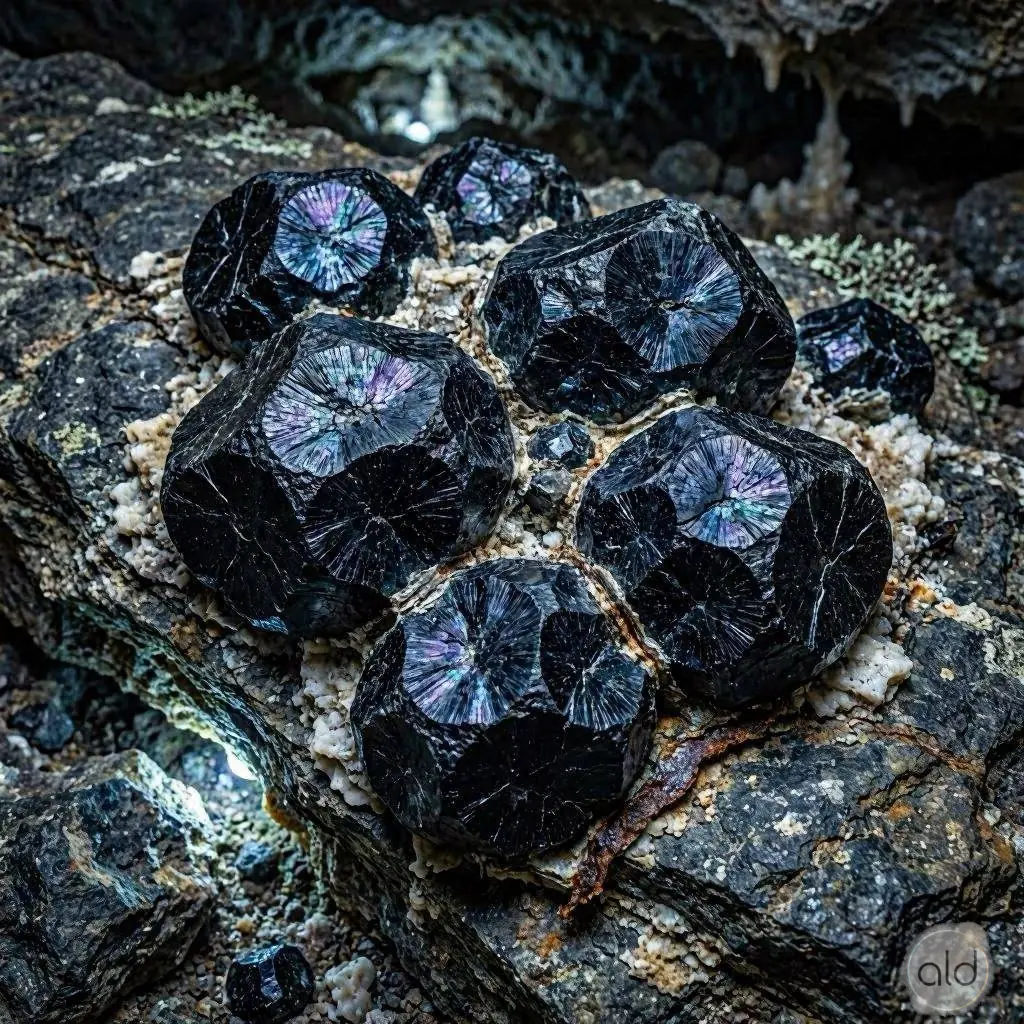
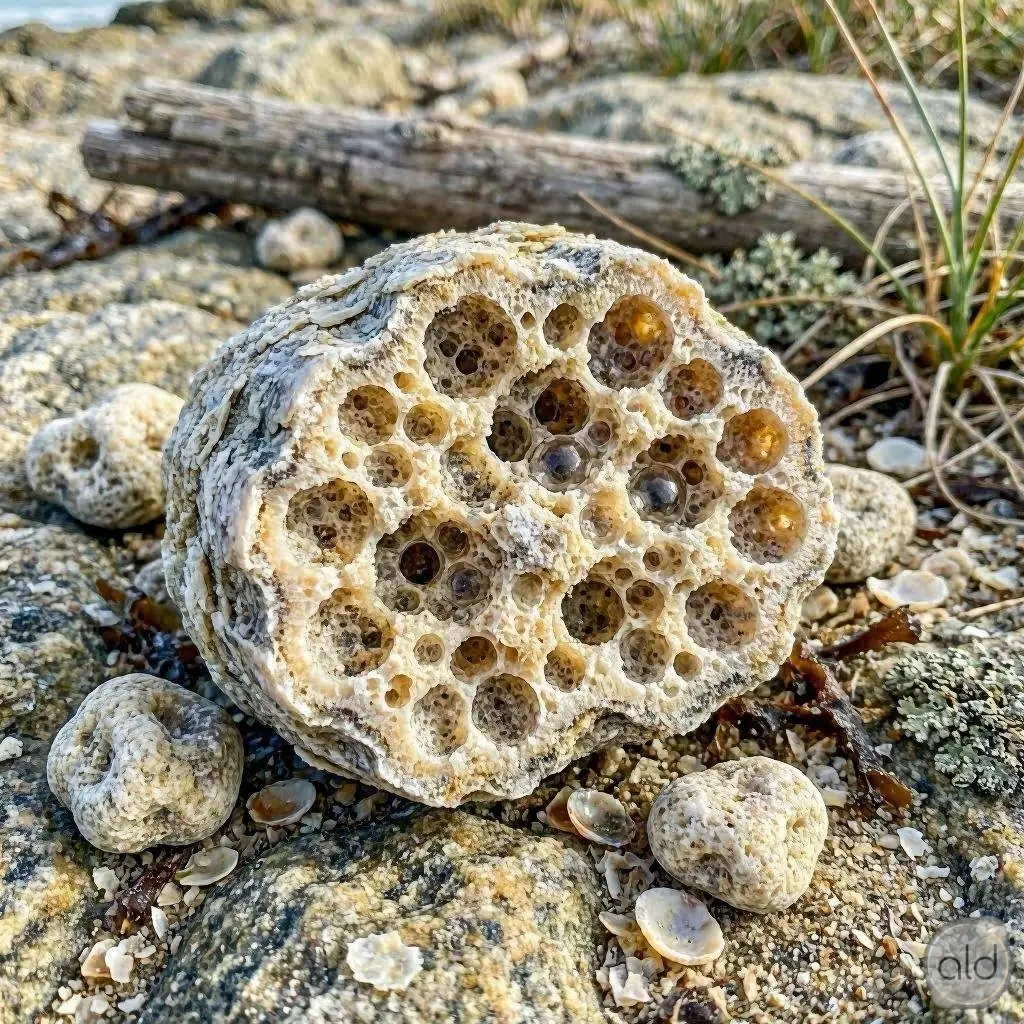
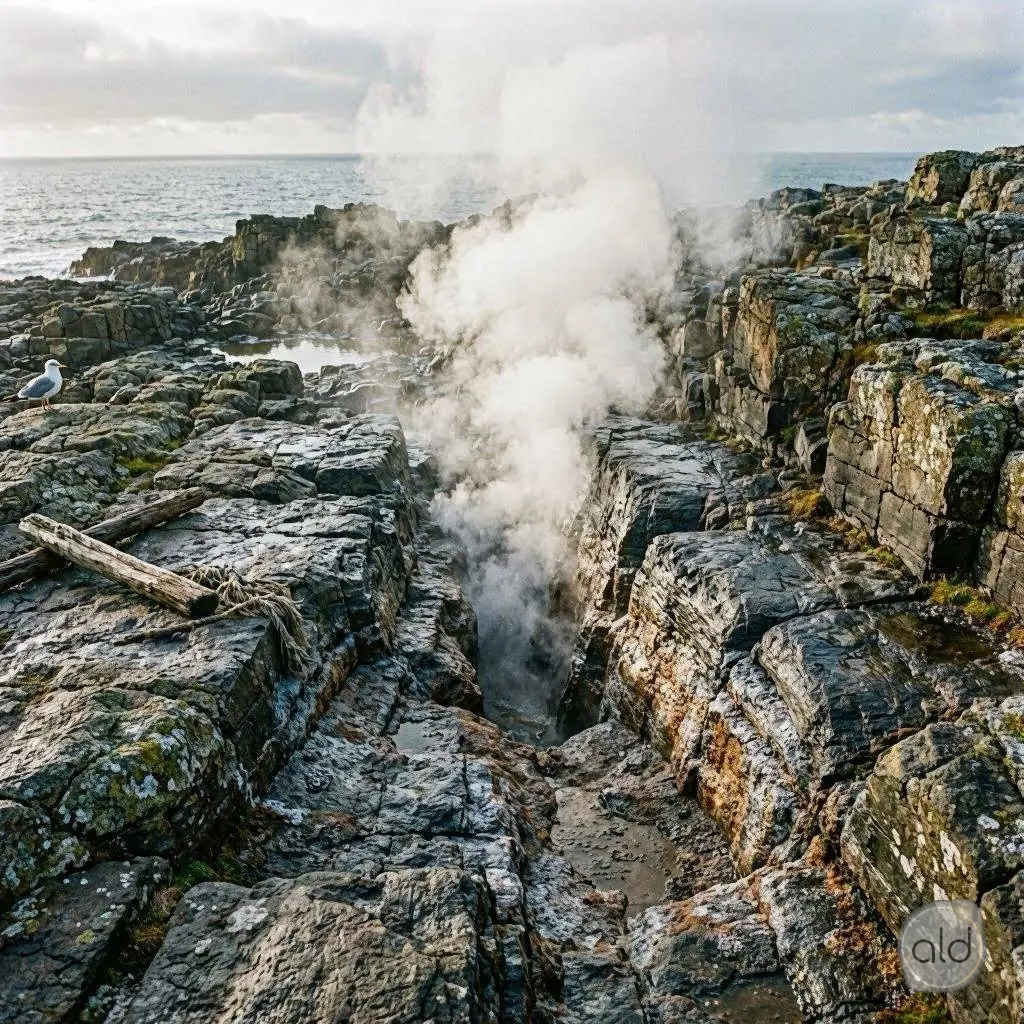
It is said that Keth was once a continent like any other— hard, hissing, filled with Syrathin and Vorgalite, two minerals so abundant beneath its surface that the Gorrath both feared and revered them.
Syrathin warmed. Vorgalite waited. And Keth had the misfortune of possessing both.
But Keth had one flaw. It had no vents. No fractures. No pressure veins. No paths for steam to escape.
So beneath Keth’s surface, the same process unfolded as in southern Tal’gorr: Syrathin met water. Vorgalite trapped the forming steam. The reaction hissed. Pressure rose.
While Thalgorrah had pipes, channels, and valves, Keth had only stone.
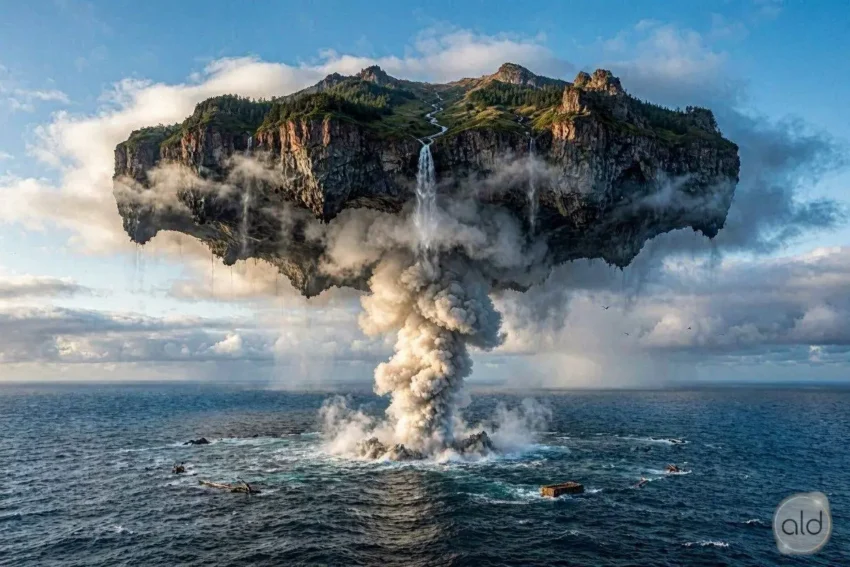
And one day, the inevitable happened. Pressure beneath the surface exceeded what even a continent could bear. And Keth—whole, in a single instant—escaped.
It did not explode. It did not collapse. It launched.
They say it tore away from Sionareth’s crust like the lid of a pressure vessel. Its mass, its rock, its Syrathin and Vorgalite were hurled so high that Keth became the second moon.
Since then, it has orbited Sionareth— cold, silent, without steam, without life.
And when the Gorrath look upon it, they say: “This is the price of a world without vents.”